The wealth gap is national. It closes one household at a time.
Every serious attempt to fix it has been aimed at the top of the problem. Teenth is aimed at the bottom of it — at the kitchen table, where the money actually moves and nobody is keeping the receipts.
The number is famous. Depending on the year and the source, the typical white family in America holds somewhere between six and ten times the wealth of the typical Black family, and several times that of the typical Latino family. Immigrant households arrive with savings, degrees, and whole careers that the system declines to read. A single mother working two jobs and a young man three months into his first steady paycheck are, on paper, the same unknown risk.
Because the number is national, the answers proposed for it are national too — a policy, a program, a fund, a bill that stalls. Those answers matter. None of them arrive this month, and none of them help the person who needs an apartment in April.
But that national number is not one thing. It is tens of millions of household-sized pieces, and each piece is made of the same material: money that moved between people who trusted each other, and left no record that anyone would honor.
If you want to help your city, your country, the world — go help your family first.
Change does not arrive as another program handed down. It compounds outward from households that got strong enough to hold. Teenth is that belief built into software: not a program, but infrastructure that makes the household — and the chosen family around it — the actual unit of change.
What the micro level actually looks like.
- 01
One person is read
Rent paid, savings grown, a bill flagged before it was late. Behavior that was always happening, written down in a form somebody can act on.
- 02
Their people are counted
The aunt who covered the deposit. The coach who has known them six years. Support that used to vanish becomes part of the record.
- 03
The household gets an inch
A milestone pays a bill. An apartment gets said yes to. The month that would have gone sideways does not.
- 04
It reaches the next one
A young person watching this happen learns that reliability is worth something — early enough for it to compound over a lifetime rather than be repaired at forty.
Multiply that by a hundred thousand households and you have not lobbied the gap closed. You have out-built it.
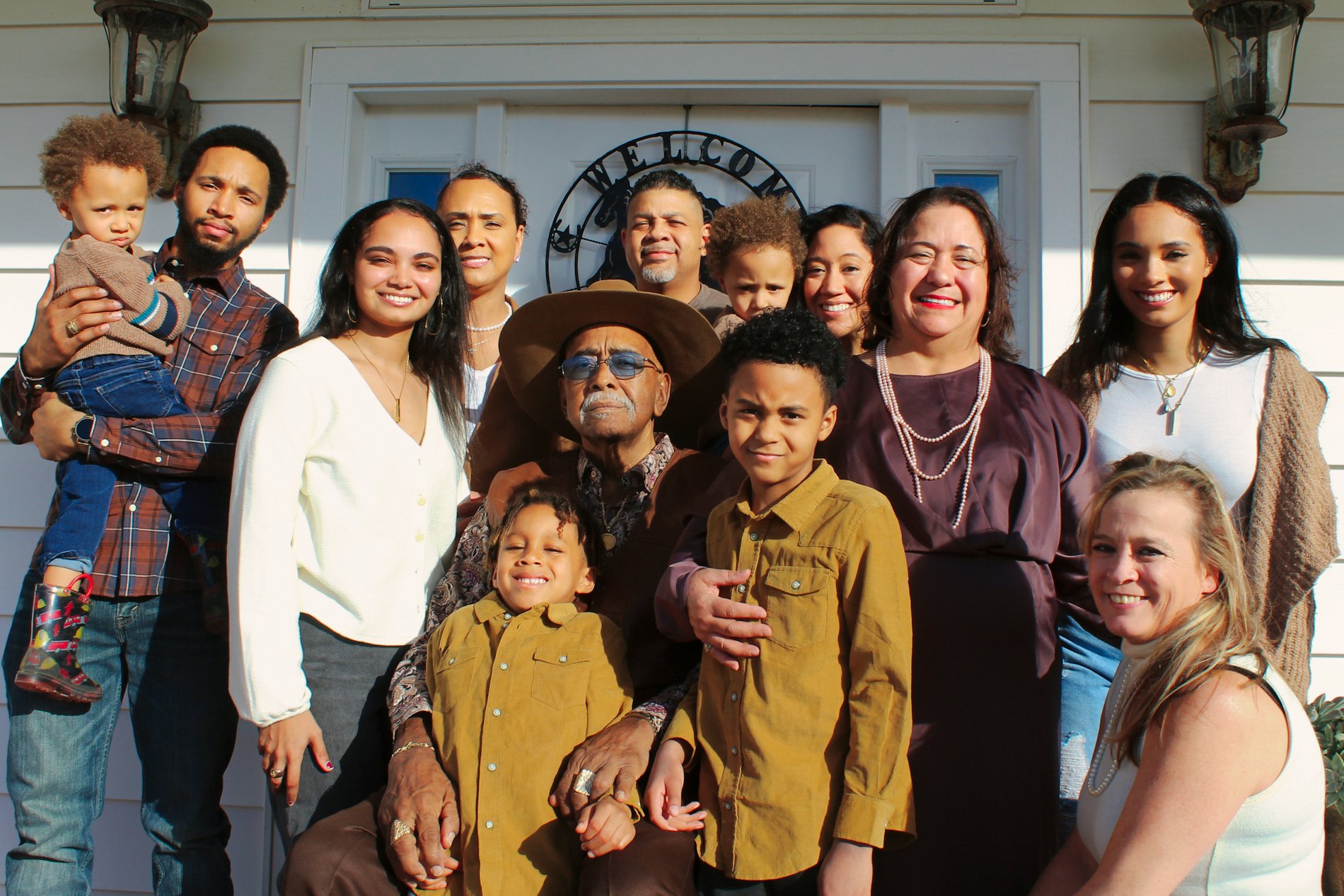
The history is specific. The door is not.
Forty acres, promised in January and rescinded before the year was out. A savings bank built to hold the first deposits of the newly freed — sixty thousand accounts — that closed its doors and kept them. That is where the name comes from, and nothing here softens it.
But the machine that broke that promise never stayed with the people it was built for. It took the immigrant whose entire working life arrived unreadable. The woman who earned it and could not hold it in her own name until 1974. The farmworker and the domestic, written out of Social Security by job title rather than by name. The family in the mill town who worked every year and stayed poor. The young person, any color, who has simply never been allowed to start.
The same instrument every time. A different door, a different year, and whoever happened to be standing outside it.
If you are here, you belong here.
Teenth is the amendment America never wrote.
It is being written now, by everyone who signs it and everyone who starts a record under it. That is the whole method: no permission asked, no bill waiting in committee, one household at a time.